Site Admin
Posts by Site Admin:
Conservation success stories boost farmers’ confidence
Collaboration means less trial and error for Calumet County group
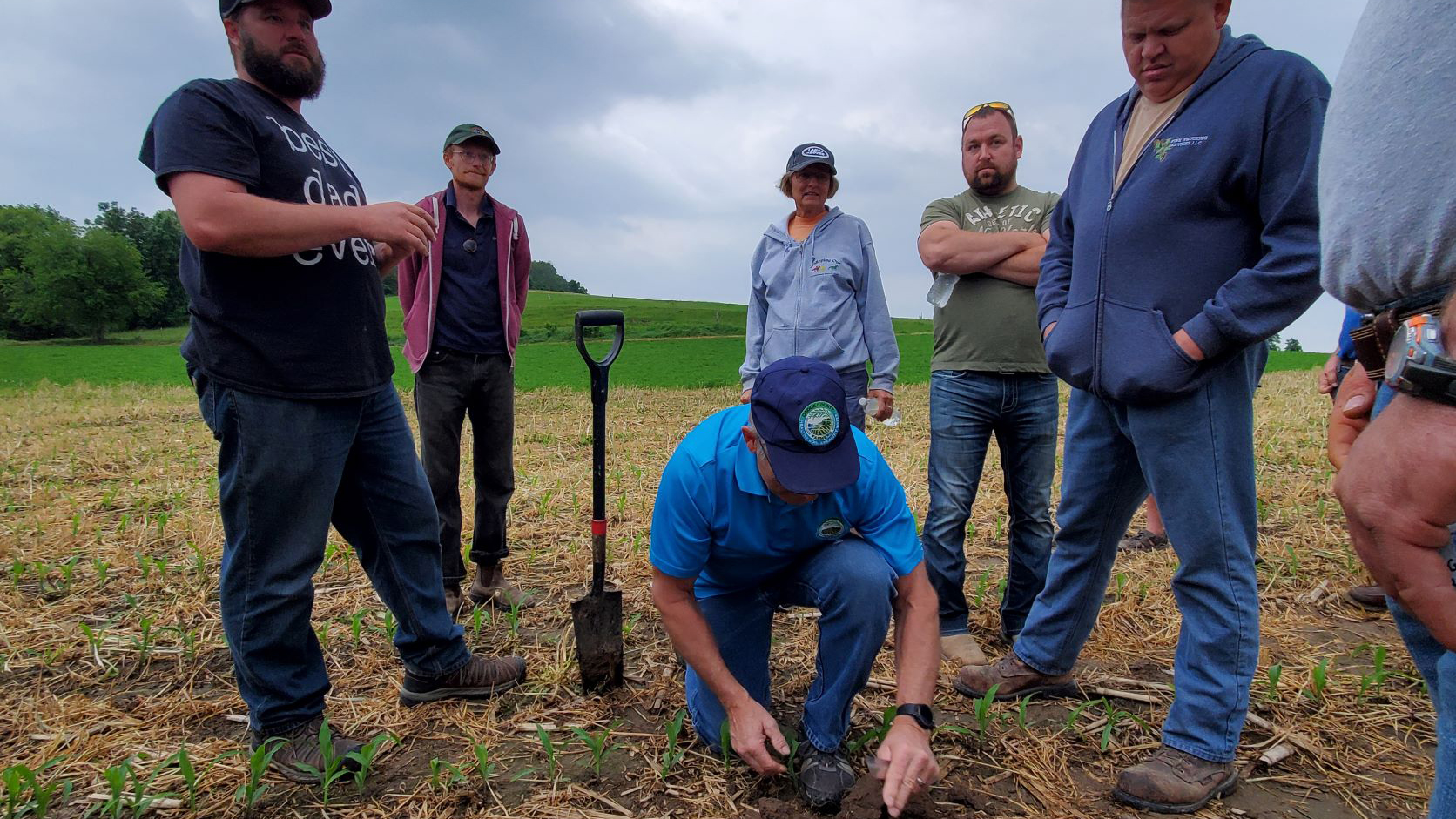
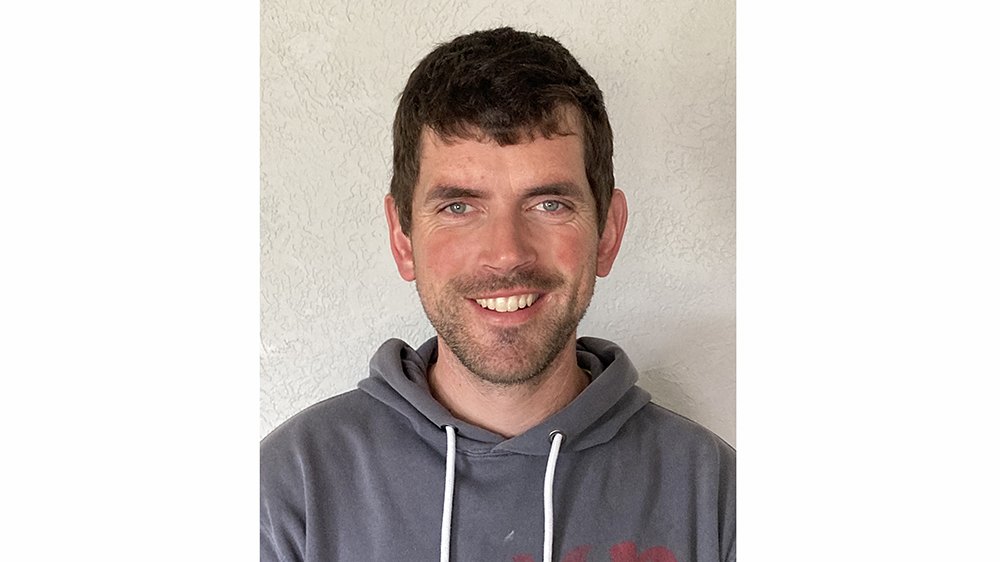
The journey toward implementing conservation practices can intimidate farmers, especially those with no prior experience. However, networking with other farmers and sharing experiences has given Mitchell Schaefer the confidence to try them on his own farm.
Schaefer farms in Calumet County on 400 acres and has 270 cows. He has 60 acres of rotational grazing with 250 heifers on site. The land he farms is silty loam and rocky soil, which is a big reason he is finding ways to protect his soil health and water quality.
Schaefer started noticing more covered fields on neighboring farms in the winter and read articles about the benefits. When his friend Kurt Schneider asked him to join Calumet County Ag Stewardship Alliance (CCASA), a farmer-led conservation group, it was a no-brainer for Schaefer.
“Having a group to talk to about practices first is extremely helpful,” Schaefer said. “The less trial and error on my own means I can have more success and faster adoption.”
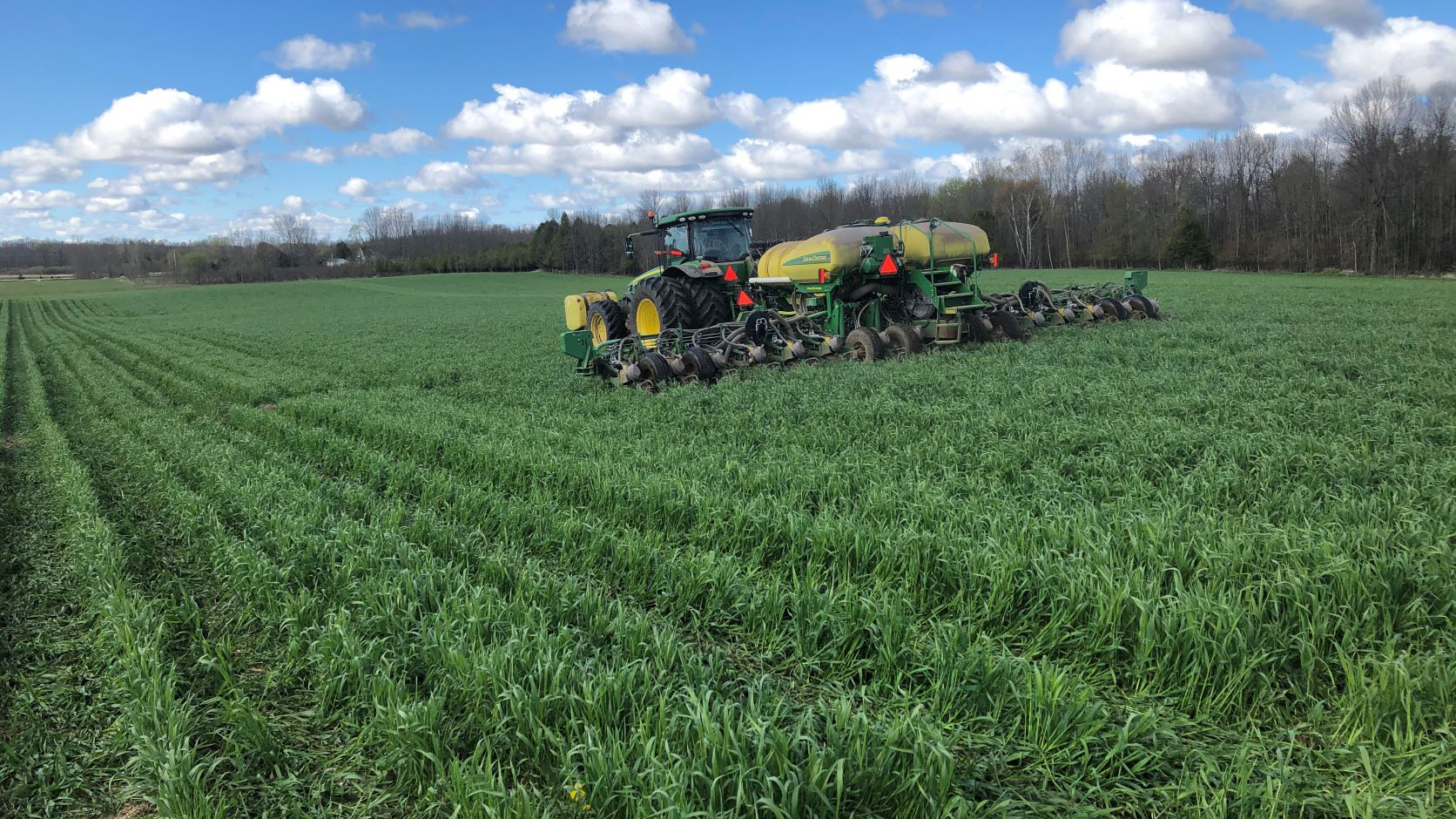
Three years ago, Schaefer began exploring minimal tillage, no tillage and the use of cover crops. He started out small with just a few smaller fields to make sure the practices would work on his land, and now has a goal to have 100% of his acres in cover crops.
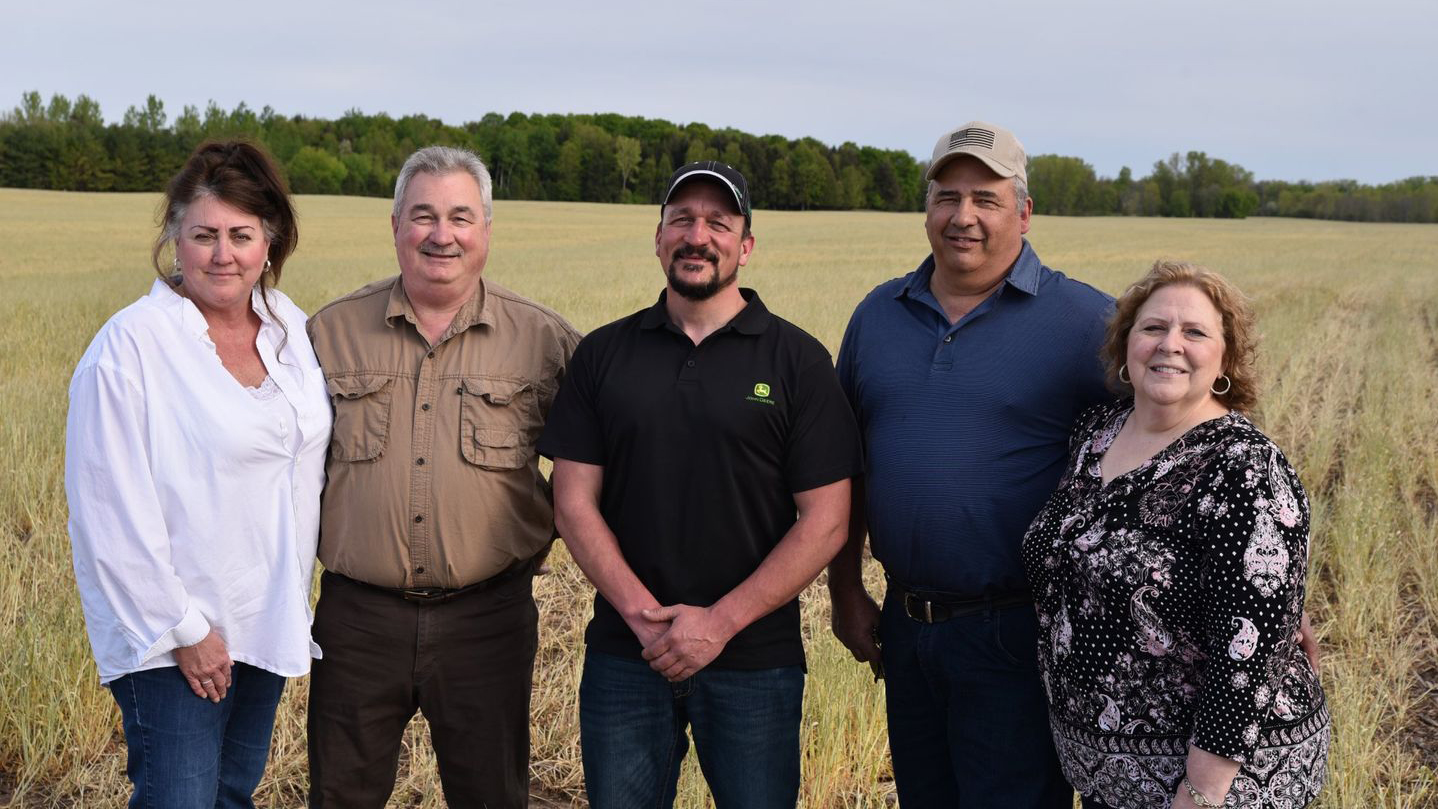
CCASA continues to grow membership, now with 10 farmer-members. The three-year-old group represents 15,600 acres and 12,491 livestock, including beef, dairy and hogs. The alliance collaborates with university researchers, environmental groups and community leaders.
In 2021, members planted 6,030 acres using reduced tillage, planted 5,736 acres in cover crops, used low-disturbance manure injection on 5,438 acres and used no-tillage planting on 4,666 acres.
The practices adopted by CCASA farmers are significantly reducing the chance of harmful runoff into streams and lakes, according to a modeling-based analysis. The farmers in 2021 potentially prevented an estimated 3,506 pounds of phosphorus from leaving the fields and reduced 1,559 tons of sediment erosion along with reducing carbon dioxide equivalents by 1,572 tons, according to an analysis shared by the Wisconsin Department of Agriculture, Trade and Consumer Protection; the University of Wisconsin-Madison; and The Nature Conservancy (TNC).
For comparison, a mid-size dump truck can carry 10 tons of sediment, and 1 pound of phosphorus in a lake or stream has the potential to cause the growth of up to 500 pounds of algae, which can degrade water quality. The amount of greenhouse gas emissions reduced equals 339 miles driven by a gas-powered passenger vehicle.
The modeling-based analysis calculated an estimate of the potential impact of cover crops, low-disturbance manure application and reduced tillage compared to more conventional methods typical to the group’s area.
Schaefer uses primarily winter wheat, rye and alfalfa on his operation through the off-season.
His biggest challenge is implementing manure into the cover crop cycle and finding a way to uniformly apply manure throughout the year. Also, left-over crop residue from no-tillage was a concern.
“While no-till planting this spring, I noticed great root mass clumps and quite a bit of trash from the growth in the field’s last crop,” Schaefer said. “I had to figure out whether to work up the land. I knew from the group and articles I’ve read to just plant into it, letting the residue do its job to help the soil.”
TNC, a key supporter of CCASA, helped complete the analysis, which is based on surveys from the farms.
“The farmers in the Calumet farmer-led group are working to accelerate the widespread use of sustainable agriculture practices like cover crops and no-till planting,” Steve Richter, TNC’s director of agriculture strategies in Wisconsin, said. “These farmers are not only growing robust crops, but they are also demonstrating farm practices that can improve water quality and withstand the impacts of a changing climate.”
Schaefer is happy to see more people willing to share and teach others about these practices and the benefits they provide. He understands that his farm needs to be sustainable to stay in business and produce a safe and healthy product that customers want to purchase.
“It’s a good move on your farm ― there really is no down-side. It’s going to benefit the environment and keep us in business,” Schaefer said.
BY THE NUMBERS
Number of acres covered by conservation practices among Calumet County Ag Stewardship Alliance members:
- 2020 ― 26,295
- 2021 ― 62,276
*Multiple conservation practices can be used on a farm field
Potential impact of conservation practices in 2021:
- Phosphorus runoff reduction ― 3,506 pounds
- Sediment erosion reduction ― 1,559 tons
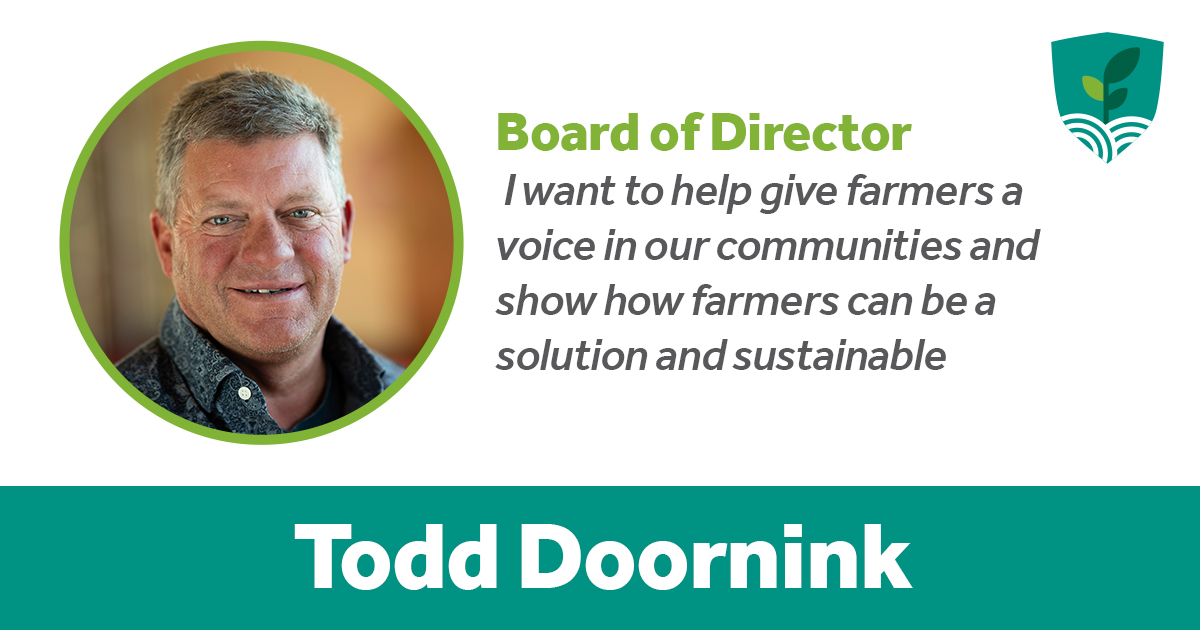
Todd Doornink
Background: how you got involved with sustainability?
I am a fourth generation farmer in Wisconsin. Our family has lived and farmed here since early 1900s. Through my involvement with the Dairy Business Association, I learned about the farmer-led watershed groups forming around the state. Knowing this was a growing interest I wanted to help maintain our ability to farm in our area and help communication to the non-ag world what farmers were already doing to maintain and help water quality and soil health.
What is the mission of WWCC?
I am also the president of Western Wisconsin Conservation Council (WWCC) which is our local farmer-led watershed group. We use research, collaboration, and financial resources to promote farming best practices that keep soil healthy and water clean. Our aim is to bring benefit to the whole community while preserving family farming as a way of life.
Why did you want to be a part of FSF and serve on the board?
I wanted to help in any way I can whether that be getting the word out to more farmers or help give farmers a voice in our communities and show how farmers can be a solution and sustainable.
Why should others join FSF?
Because it includes the farmers voice that has the best interest in mind on how to improve sustainability – not only from an environmental standpoint but also community and economic standpoint.
Wisconsin farmer shows EPA leaders innovative conservation work
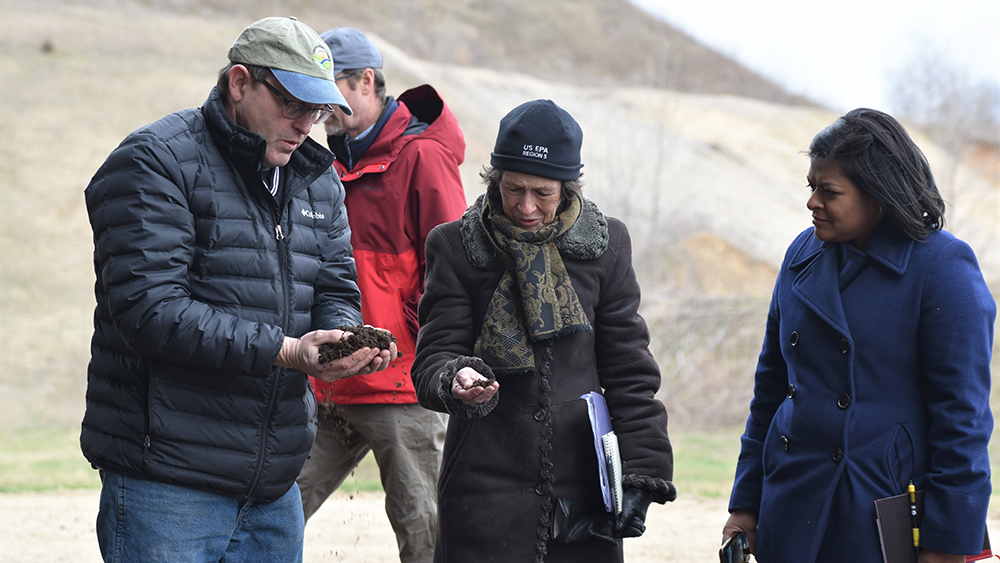
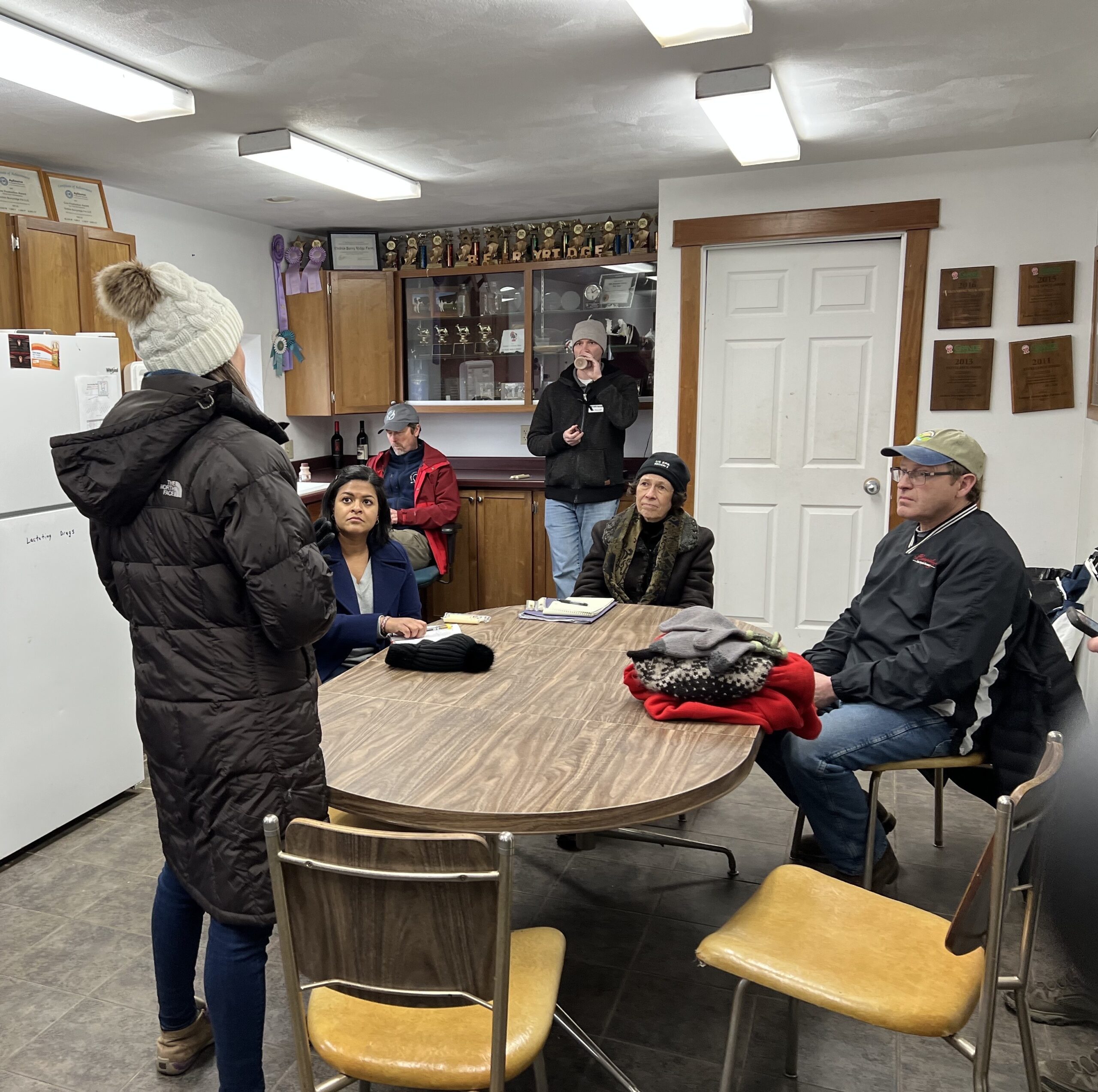
Farmers for Sustainable Food (FSF) board member Jeff Endres, co-owner of Endres Berryridge Farm and president of local farmer-led conservation group Yahara Pride Farms, hosted a farm tour April 20 for U.S. Environmental Protection Agency Region 5 Administrator Debra Shore and her agriculture policy adviser, Sharmin Syed.
Through connections with the Dairy Business Association (DBA), Edge Dairy Farmer Cooperative and FSF, EPA leaders had the opportunity to see firsthand some of the innovative, voluntary conservation practices Endres is using on his farm, including composting manure, planting cover crops and reducing tillage. DBA also invited other key partners and farmers in Wisconsin’s growing conservation effort ― Lafayette Ag Stewardship Alliance, The Nature Conservancy in Wisconsin, Wisconsin Department of Natural Resources, Sand County Foundation, Yahara WINS and Wisconsin Farm Bureau Federation.
Shore was pleased with the tour around Endres’ manure compost barn and cover crop fields where she learned more about how farmers are sequestering nutrients to keep them out of surface and ground water, improving yields and using less commercial fertilizer. Endres talked about how these voluntary measures can improve soil health while also keeping input costs down. Yahara Pride has grown about 10 percent each year since it was created, as farmers continue to be convinced to participate based on the program’s successes.
Shore found it remarkable how much farmers are learning, doing and sharing with each other.
“It’s absolutely vital for the EPA to have relationships with farmers; we are all about clean water, clean air and soil that’s healthy,” Shore said. “We can’t have a healthy environment without healthy soil and a healthy economy and that’s all about working with farmers who know all about clean water and soil.”
When it comes to government agencies, USDA is often the usual contact point for farmers, but EPA plays a role in CAFO regulations and water quality. The regulations the agency puts forward are usually carried out by state agencies, so farmers don’t have a lot of interaction with EPA.
“Having EPA representatives from the Great Lakes region reach out to us trying to learn more about what we are doing in agriculture is very encouraging,” said Mykel Wedig, associate director of government affairs for DBA and Edge. “They saw the clear benefits of farmers working together in farmer-led conservation groups and began talking about how their agency can work with USDA to encourage and fund these types of voluntary efforts.”
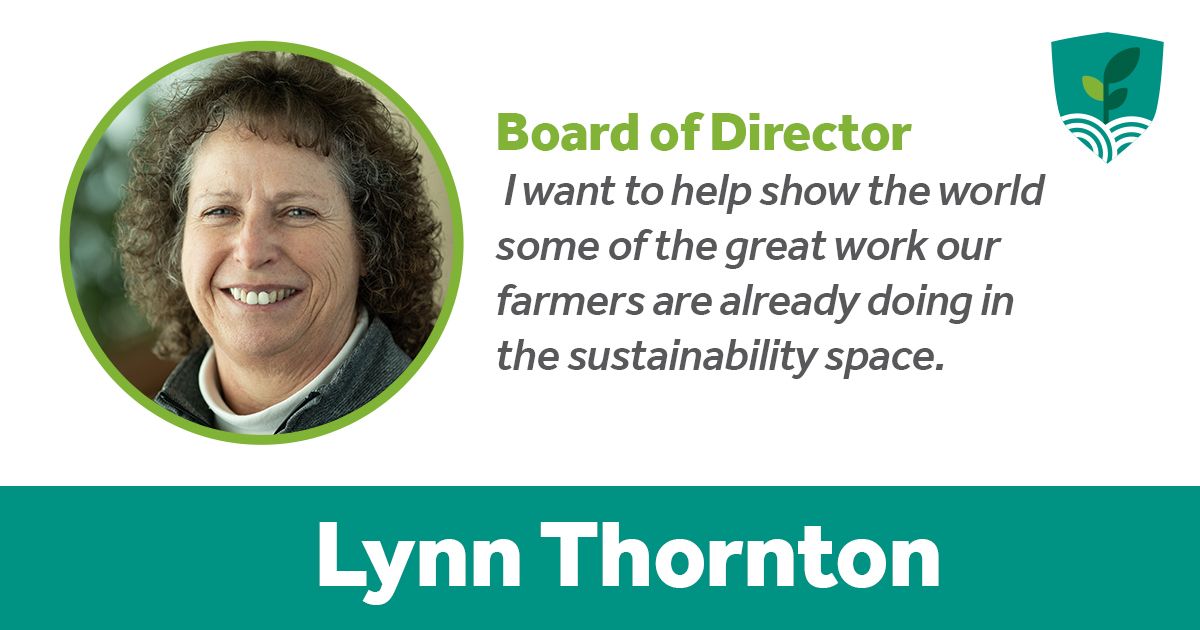
Lynn Thornton
Background: what you do/how you got involved with sustainability?
I work for Grande Cheese Company, our producers and field staff. Our producers are already doing many things toward sustainability but are not always good at telling their story. I want to help them show the world some of the great things they are doing.
Why did you want to be a part of FSF and serve on the board?
To help tell the producers/farmers story of what they already do. Also, I want to be involved in making even more progress towards sustainability and feeding the world while also being responsible stewards of the land and animals.
Why should others join FSF?
To help promote change, be involved, and tell our great story!
Farm data shows nationally recognized sustainability project builds on positive progress
Wisconsin initiative measures environmental, financial impact of conservation
Newly released data in a nationally recognized farm-level sustainability project in southwestern Wisconsin shows that farmers are making continued progress in key environmental categories while at the same time remaining profitable.
Entering its third year, the pilot project involves 15 farmers who are teamed up with partners in the dairy food supply chain, an environmental group and others. The farmers are tailoring conservation practices most effective for their individual farms and documenting the environmental and financial effects. The goals: protect the environment, remain profitable and demonstrate to communities, customers and regulators that farmers are taking action on sustainability.
An analysis of performance to date showed the farms’ practices are contributing to increased protection of water quality and significant reductions in greenhouse gas emissions, without losing crop yields and with larger gross returns.
“It is rewarding to see this comprehensive approach to farm-level conservation making a positive difference,” said dairy farmer Jean Stauffacher, co-owner of Highway Dairy Farms, a participant in the project. “We are rolling up our sleeves and doing the hard work. There is still more to be done; we don’t have it all figured out. But we realize this is a long-term commitment. Tailoring our practices and measuring results is becoming the standard way of doing business.”
Stauffacher and other farmers in the project are part of Lafayette Ag Stewardship Alliance (LASA), a farmer-led conservation group in Lafayette County.
The assessment uses nationally accepted metrics from Field to Market: The Alliance for Sustainable Agriculture to address on-farm sustainability indicators, such as greenhouse gases. A tool called Prioritize, Target and Measure Application (PTMApp) is being used for measuring impact on waterways.
Changes farmers are making include practices like planting cover crops, using no-tillage and reduce-tillage, and creating nutrient management plans. The findings are detailed in a 40-page report.
Among them:
- A cumulative water quality score increased 18 percent from 2019, when baseline data was established, to 2021. This means fewer nutrients were able to leave the field from the surface or subsurface and make their way into streams and rivers.
- Participants decreased greenhouse gas emissions by 15 percent over that time period.
- Energy used for producing the crops decreased by 15 percent. For perspective, the amount of energy used to grow and harvest crops on nine acres in the project is equivalent to the average home energy consumption in the U.S. each year.
- Farmers are cutting sediment loss in the watershed by an estimated 56,700 tons per year as of 2021, assuming equal adoption of practices across all farms and fields. That is the equivalent of 4,200 dump truck loads of sediment per year or 11½ per day not leaving the farm fields.
- The average gross return per acre for corn grain production was $917.26 in 2020, the latest available data. This is $180.67 greater than the average among Wisconsin farms included in a University of Minnesota benchmarking database called FINBIN. The farms in the database are not participating in the project.
- The average gross return per acre for corn silage production in 2020 was $1,020.25, which is $122.18 greater than the average.
- The average gross return per ton for alfalfa production in 2020 was $1,646.05, which is $419.44 greater than the average.
- Scores for some of the project’s key categories showed declines in the three-year average from 2019 to 2021. For example, overall there was a slight decrease in the amount of carbon sequestration in the soil over the three years. However, data from 2021 alone suggests that on average, fields are still showing positive scores for this metric and likely gaining soil carbon.
LASA worked with two main partners to develop the project: Farmers for Sustainable Food, a nonprofit organization of food system stakeholders, and Grande Cheese Company, an Italian cheese manufacturer in southeastern Wisconsin. A host of others, including The Nature Conservancy and Southwest Wisconsin Technical College, are supporting the effort. The broad collaboration drew a national sustainability award last year from the Innovation Center for U.S. Dairy.
“A key to success in our project is the diverse partners who help make it happen,” said Lauren Brey, managing director of Farmers for Sustainable Food (FSF). “From the farmers doing the work, to the team documenting what is happening in the fields and analyzing the data, to organizations providing guidance and funding, each group brings value to the collaboration. It’s proof that we are more successful when we work together toward common goals.”
Brey said she is confident other farmers around the country could see positive results by replicating the project. It’s based on a first-of-its-kind framework the partners have made available at no cost. FSF is already supporting similar projects across the Upper Midwest with other farmer-led groups, processors and individual farms. The Lafayette County project is set to run for five years.
“Grande takes great pride in the growth and development of its producer-direct milk supply. Developing a common vision that supports the growth of both partners, while supporting our customers, is critical,” said Greg Siegenthaler, vice president milk marketing and supply chain management for the company.
“As the dairy industry evolves, the days of simply exchanging money for the transfer of milk are over. Looking forward, it will be important for processors to understand key components of the producer-processor relationship, extending beyond the milk itself,” he said. “The environmental impacts associated with the production of milk play a role in how dairy products ultimately go to market.”
The Nature Conservancy provides environmental insight and funding support for the project. Director of Agriculture Strategies Steve Richter said this is a long-term commitment, but he is impressed with the results thus far.
“This project illustrates the value of many different partners coming together, all adding a different perspective and playing a different role to make this a success,” Richter said. “As a group, we’ve brought together incentives for conservation practices, a national model for farmers to track conservation efforts, and an economic study showing the value of soil health practices, and the results we’re seeing show that both the farmer and the environment are benefiting.”
Multimedia:
Doug Thomas, senior project manager at Houston Engineering, talks about the project’s results in this video.
Lauren Brey, FSF managing director, talks about project partnerships in this audio clip.